
Call us now :08045814031
 Send Inquiry
 Send Inquiry
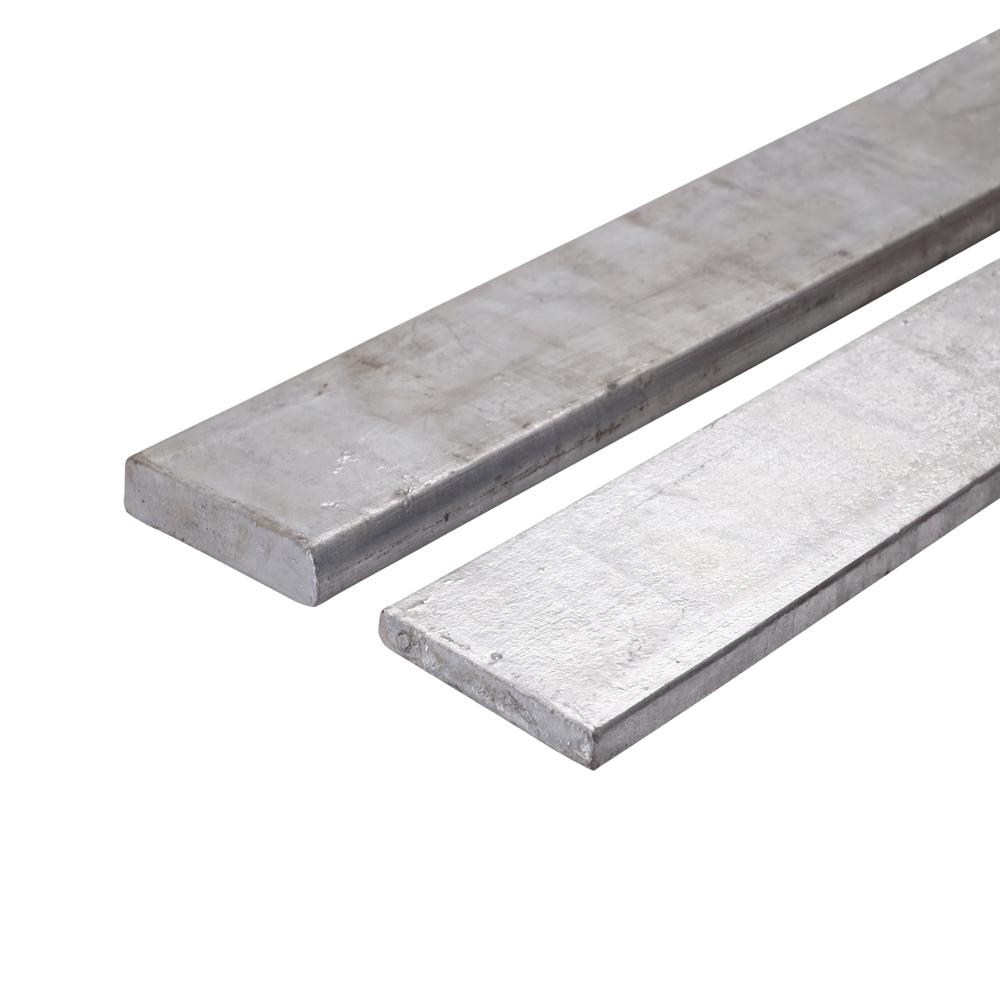
GI Earthing Strips
Price 75.0 INR/ Kilograms
MOQ : 100 Kilograms
GI Earthing Strips Specification
- Corrosion Resistant
- Yes Hot Dip Galvanized 86 microns
- Coating Type
- Zinc
- Product Name
- Steel
- Steel Type
- Other
- Steel Product Type
- Steel Bars
- Grade
- ASTM A123 | BSEN ISO 1461 | IS 2629/2633/4759/6745
- Thickness
- 3 TO 10 Millimeter (mm)
- Shape
- Strip
- Steel Standard
- ASTM
- Surface
- Hot Dip Galvanized
- Application
- Construction
- Dimension (L*W*H)
- 6 Meter (m)
- Weight
- 610 GSM (gm/2)
- Color
- Grey
- Material Grade
- ASTM A123
- Finish Type
- HDG
GI Earthing Strips Trade Information
- Minimum Order Quantity
- 100 Kilograms
- Payment Terms
- Cash Advance (CA), Cash in Advance (CID)
- Supply Ability
- 10000 Kilograms Per Day
- Delivery Time
- 1 Days
- Sample Policy
- Contact us for information regarding our sample policy
- Packaging Details
- As per quantity
- Main Domestic Market
- West India
- Certifications
- EIL
About GI Earthing Strips
GI Flats are essential in earthing systems, offering reliable grounding, reducing earth resistance, and connecting to main earthing bars. They also play a role in lightning protection systems.
Specifications - 20 x 3 MM TO 150 X 10 MM
Extensive Application Range
GI earthing strips offer versatile solutions across numerous sectors such as communication towers, lamp posts, maritime structures, as well as railway and highway protection projects. Their reliability in providing a low-resistance path to ground makes them a preferred choice for both urban and industrial infrastructure.
Durable Construction and Protective Finish
Engineered from high-quality galvanized steel and treated with hot dip galvanization, these strips feature an 86-micron zinc coating. This combination ensures exceptional resistance to corrosion and environmental factors, making them suitable for harsh or exposed conditions encountered in marine and outdoor installations.
Adherence to International Standards
Manufactured according to stringent criteria including IS 2629/2633/4759/6745 and ASTM A123, our GI earthing strips meet or exceed industry benchmarks. Their consistent quality, finish, and structural integrity guarantee reliable performance in all specified electrical earthing applications.
FAQ's of GI Earthing Strips:
Q: How are GI earthing strips commonly used in construction and infrastructure projects?
A: GI earthing strips serve as conductive pathways to safely dissipate electrical currents into the ground. Their primary purpose is to ensure effective earthing for structures such as communication towers, lamp posts, railways, highways, and marine facilities, thereby enhancing safety against electrical faults and lightning.Q: What benefits does hot dip galvanization provide to GI earthing strips?
A: Hot dip galvanization imparts a thick, uniform layer of zinc (up to 86 microns) to the steel, significantly enhancing corrosion resistance. This treatment ensures long-lasting durability even in aggressive marine or outdoor environments, reducing maintenance needs and prolonging service life.Q: When should GI earthing strips be used over other earthing materials?
A: GI earthing strips are ideal when high strength, excellent corrosion resistance, and compliance with global standards are required. They are especially recommended for projects with exposure to moisture or corrosive conditions, such as coastal or industrial developments.Q: Where are GI earthing strips typically installed for optimal effectiveness?
A: These strips are generally laid underground or along the structural base of towers, posts, or buildings. Their installation locations are chosen based on the need for efficient grounding and protection against electrical hazards, commonly at points of high electrical risk or exposure.Q: What is the manufacturing process for GI earthing strips?
A: The manufacturing process involves forming steel strips and subjecting them to hot dip galvanization-the strips are immersed in molten zinc, creating a robust, tightly-bonded protective coating. This ensures the strips meet the specification standards like ASTM A123 and IS 2629/2633/4759/6745.Q: How do GI earthing strips contribute to electrical safety?
A: By providing a low-resistance path to earth, GI earthing strips effectively divert unwanted electrical surges, faults, or lightning into the ground. This process minimizes the risk of electric shock, equipment damage, and fire, thereby safeguarding structures and occupants.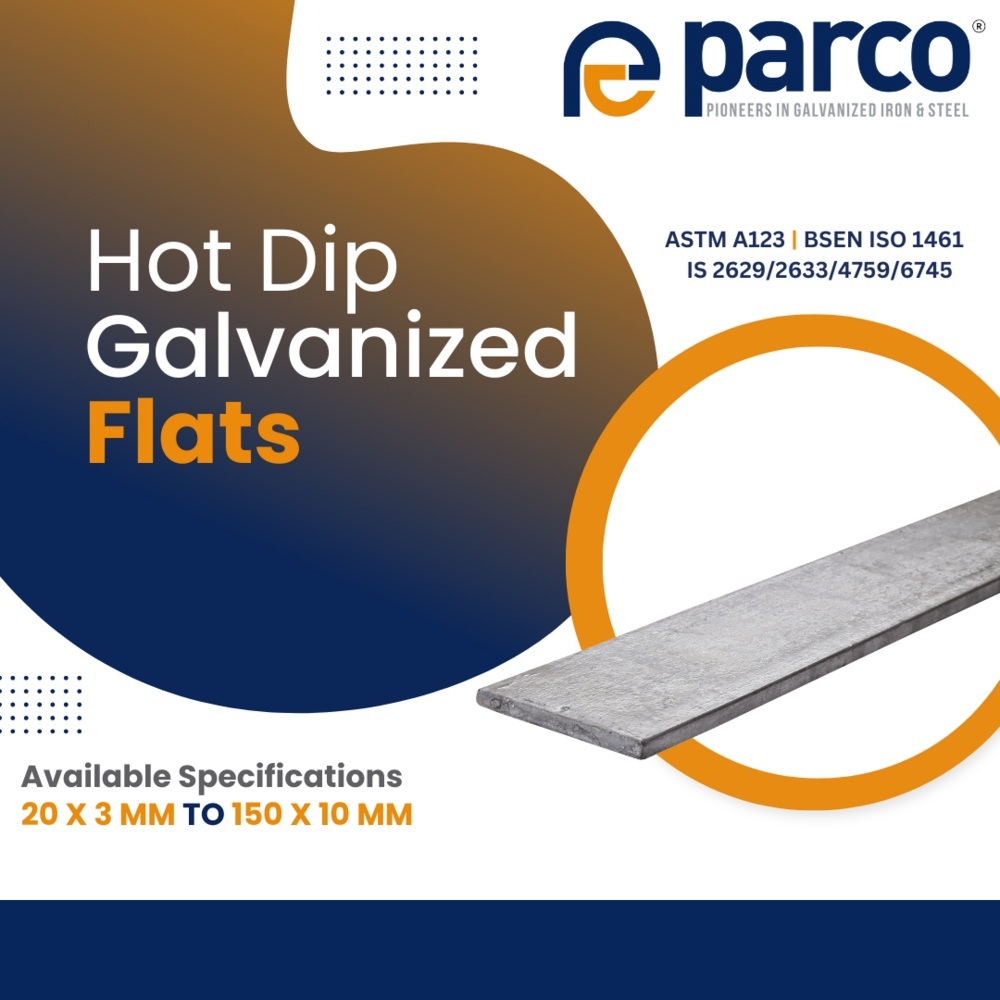
Tell us about your requirement

Price:
Quantity
Select Unit
- 50
- 100
- 200
- 250
- 500
- 1000+
Additional detail
Mobile number
Email

More Products in Galvanized Flats Category


 Send Inquiry
Our Products


Unit No. 401, 4th Floor, Skyline Epitome Building, Near Jolly Gymkhana, Kirol Road, Vidyavihar West, Mumbai - 400086, Maharashtra, India

Mr Prashant Parekh
(Director)
Mobile :08045814031
 Send Inquiry
 Send SMS
Developed and Managed by Infocom Network Private Limited.
 English
 Spanish
 French
 German
 Italian
 Chinese (Simplified)
 Japanese
 Korean
 Arabic
 Portuguese